As a Formula 1 fan — and more specifically, a McLaren fan — I still get excited whenever I come across something F1-related. But as a marketer, I’m just as fascinated by the world that has been built around the sport.
From the outside, a Formula 1 race weekend might look like a three-day event. And in a sense, it is: racing is still at the heart of it all. But a fan’s relationship with a team like McLaren extends far beyond what happens on track.
There are the drivers, social content, fashion, merchandise, partnerships, behind-the-scenes access, digital experiences and the wider fan community. Together, they turn McLaren from something you watch on a Sunday into a brand you can interact with throughout the week.
Sport creates moments of attention naturally. Marketing decides what happens to that attention afterwards.
Interestingly, though, my own journey as a McLaren fan didn’t begin with a particular race or victory. I remember watching Netflix’s Drive to Survive and finding myself drawn to McLaren because of the people behind the team. Zak Brown and the wider team came across as friendly, approachable and genuinely passionate about what they were doing. I started caring about the people behind the cars, not only how those cars performed.
Looking back at that experience from a marketing perspective, I realise something: before I became invested in McLaren's results, I became invested in McLaren's story.
Not every fan discovers a team through racing itself. Some arrive through a documentary, a driver’s personality, a social media clip or even fashion. Storytelling doesn’t just maintain attention. Sometimes, it creates it.
Once that first connection is made, the relationship can develop in all sorts of ways. You might follow McLaren on Instagram or TikTok and slowly enter this papaya-coloured world. You start recognising the colour everywhere, watching behind-the-scenes videos, understanding the team’s inside jokes, sharing race reactions and perhaps buying your first piece of merchandise. Before you know it, the team occupies far more of your life than the two hours you originally tuned in for.
And that's what I find particularly interesting. At what point does simply watching a team turn into feeling like you're part of it?
From attention to belonging
I think of that relationship in three stages: attention, engagement and belonging. Attention is what first draws someone in. Engagement gives them reasons to keep coming back, even when there's no racing happening. And for some fans, that connection develops into a sense of belonging.
It's the difference between saying "McLaren won" and "We won." That small change in language says quite a lot about what a sports brand can mean to its supporters.
Keeping the story going
Getting someone's attention is one thing. Keeping it is another. A documentary might introduce someone to McLaren, and a race might give them a reason to cheer, but what happens during the days when there isn't any racing?
This is where I find McLaren's content strategy particularly interesting. They don't always need to show us what Oscar Piastri and Lando Norris can do on track. Sometimes, showing us more of who they are gives us another reason to watch. When we watch a race, we admire the drivers' skills. But when we see their personalities, humour and interactions, fans have another opportunity to feel connected to the people behind the helmets.
McLaren also gives different audiences different ways to engage. Some fans love race strategy, engineering and technical development. Others are drawn to the drivers’ personalities, challenges or behind-the-scenes moments. You don’t have to be a technical F1 expert to enjoy being part of the audience.
McLaren Unboxed is a good example. It takes fans behind the scenes, from pre-season testing to moments inside the garage that never make the television broadcast. Most of us will never experience a race weekend from within the team, but content like this gives us a glimpse of that world.
Perhaps what keeps fans returning isn’t simply more content. It’s the feeling that there’s always another part of McLaren’s story to discover.
When engagement becomes belonging
But watching content and feeling like part of a community are two different things.
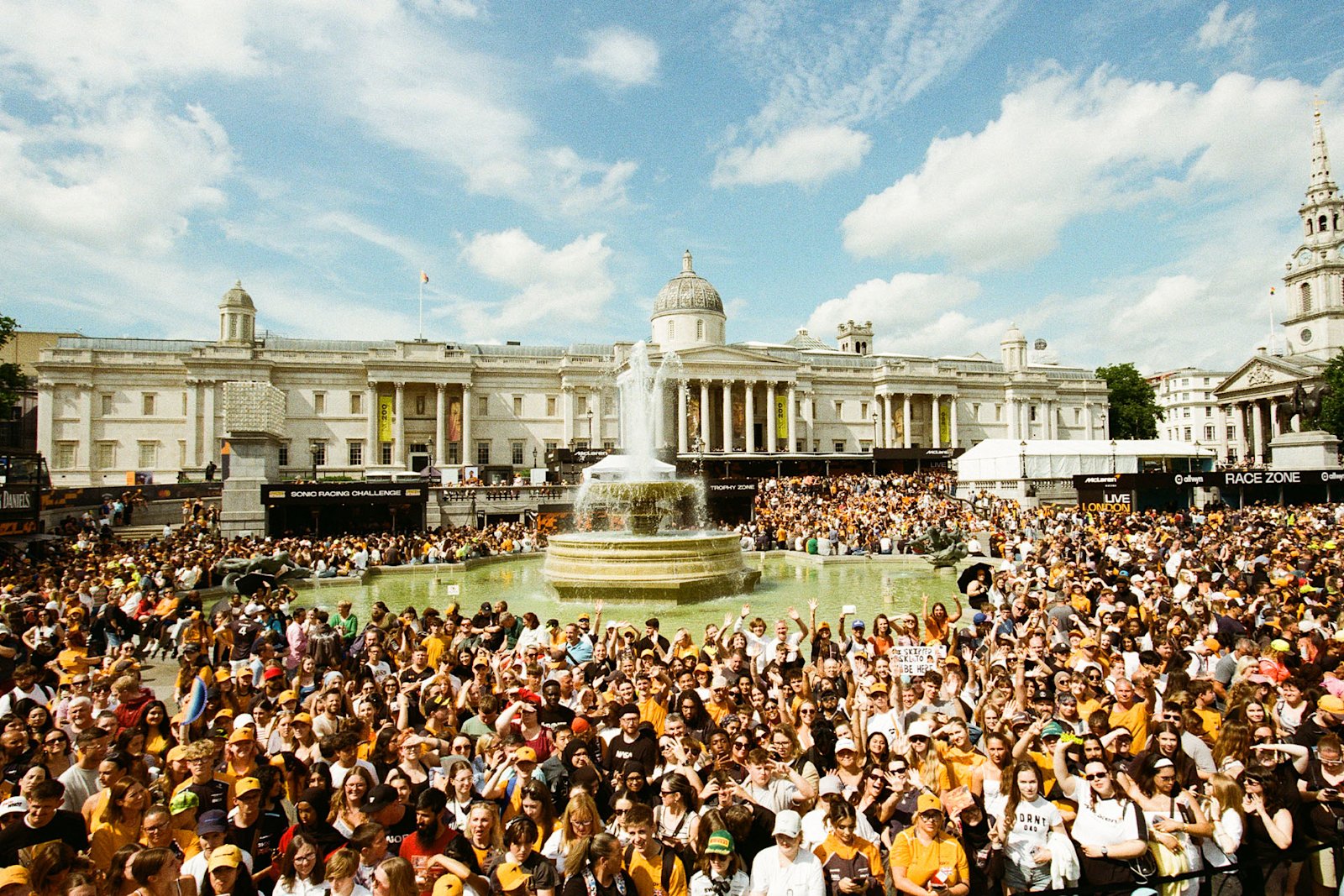
Take McLaren Racing Live in London in 2025. At Trafalgar Square, supporters came together for driver and team appearances, racing simulators, historic cars and shared experiences. In McLaren’s own coverage, fans talked about the excitement of being surrounded by people who loved the same team.
There’s something different about watching a race alone and standing in a crowd dressed in papaya, cheering for the same people and sharing the same emotions. The colour becomes more than a recognisable brand asset; it becomes a way to recognise one another.
At that point, McLaren isn't simply something you watch. It's something you participate in.
And perhaps this is where the relationship gets especially interesting to me: McLaren can create spaces for fans to connect, but it’s the fans who turn those opportunities into a community.
What I'd Test Next: The First 30 Days of Papaya
If belonging helps fans stay, perhaps the next opportunity is helping newcomers find that connection sooner.
If I were part of McLaren's marketing team, I’d test The First 30 Days of Papaya through McLaren Racing Club. New members could choose what first drew them in — the drivers, racing, engineering, heritage or culture — and receive a short, interest-led journey through existing videos, stories and fan experiences during their first month.
Racing Club already brings content and personalisation together, so I’d treat this as a focused welcome-journey experiment rather than another platform or more content to produce. I’d compare it with the standard welcome experience, looking at 30-day return rates, repeat content engagement and whether new members report feeling more connected to the team.
The goal? To turn someone’s first moment of curiosity into a relationship that lasts beyond race day.