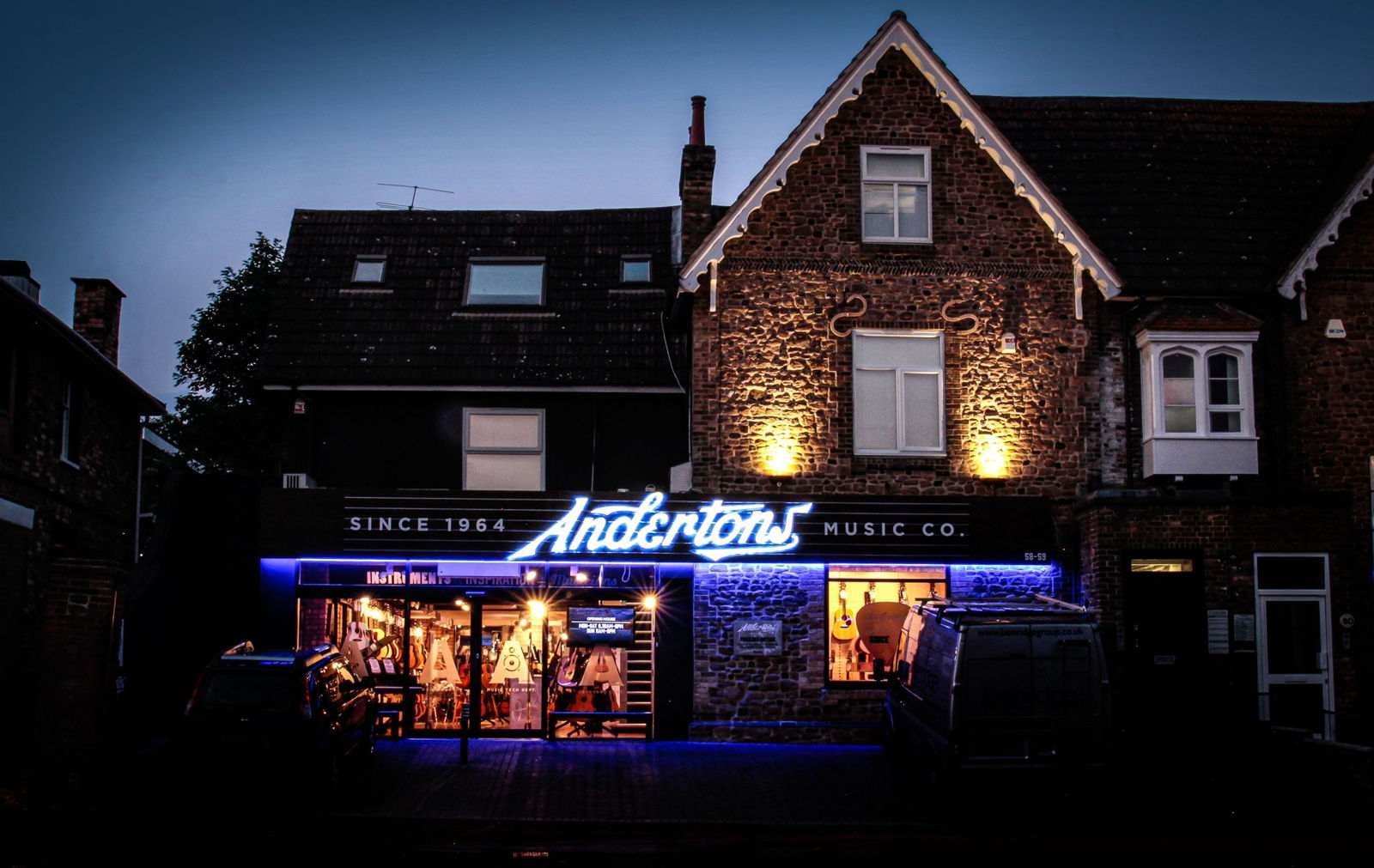
Why Andertons?
Being based in Guildford made me curious about how Andertons could bring the helpfulness of an in-store conversation into someone’s inbox.
There’s already plenty to explore: the shop, gear demos and newsletter. My idea is to help beginner and returning guitarists find the guidance that feels relevant to them, using three things: instrument choice, experience and budget.
This is an independent portfolio concept, not commissioned by or affiliated with Andertons. I haven’t audited their existing emails or run this experiment.
The idea I’d test
Could a welcome journey shaped around someone’s preferences help them make their first guitar purchase?
I’d add a “What are you interested in?” question at newsletter signup. People who select guitars, opt into marketing and have no recorded Andertons guitar order would be eligible. I’d then split them randomly, 50:50, between the existing welcome experience, once understood, and this proposed journey.
The main measure would be first qualifying guitar purchases within 30 days. I’d include everyone assigned to each group, even people who never complete the form, and agree the sample size using baseline conversion and the smallest worthwhile improvement.
Start with a helpful hello
The first email invites people to tell us a little about themselves. It offers a starting point without asking them to choose a product straight away.
Sent after a new subscriber signs up and selects an interest in guitars.
Subject
Find your starting point with the guitar
Inbox preview
Three quick choices for guides and gear demos that fit you.
Andertons Music Co.
Hi [First name],
Starting out or picking up the guitar again? Tell us whether you’re considering acoustic or electric, your experience and your budget. We’ll point you towards relevant guides and demos.
Nearby? You can also visit us in Guildford to try instruments and ask questions.
Find your starting pointThe Andertons team
Proposed email example — not a live campaign
Email concept · Preferences and unsubscribe links would appear in the footer.
Three choices, a clearer starting point
The form keeps the questions simple, with an optional budget and a “Not sure” route to comparison guidance. Gift shoppers would see questions about the recipient and gift guidance, rather than messages written for a new owner.
Find your starting point
A few details to help us point you in the right direction.
Shopping for someone else?
01Your instrument
02Your experience
03Your guitar budget · optional
Budget is for the guitar alone. Answers can be changed later.
Make the next email feel relevant
For someone returning to electric guitar with a £150–£299 budget, the next step could look like this. Completing the form would show tailored guidance immediately and trigger one matching follow-up email.
Sent after someone chooses electric guitar, returning player and a £150–£299 budget.
Subject
Picking up electric guitar again? Start here
Inbox preview
Guidance for your next chapter with the guitar.
Andertons Music Co.
Hi [First name],
Explore electric-guitar guides and demos for your £150–£299 budget, plus advice on what you need to plug in. Plan your full setup before deciding.
Explore my starting pointThe Andertons team
Proposed email example — not a live campaign
Email concept · Check guides, product availability and prices before sending.
Keep helping after the first click
If someone hasn’t answered or bought a qualifying guitar, I’d test general guidance on day 4, then an offer of help or a Guildford store visit on day 10. The timing is a starting hypothesis, not a fixed rule.
Only an order containing a guitar would end acquisition emails; buying an accessory alone wouldn’t. Cancelled or fully refunded guitar orders would be excluded. After delivery, I’d test setup help, a check-in and compatible accessories that take previous purchases into account.
- 01
A warm welcome
Day 0 · Ask what they’re looking for.
- 02
A useful next step
Use preferences, or offer guidance on days 4 and 10.
- 03
A first guitar
A qualifying guitar order ends acquisition emails.
- 04
Help them enjoy it
Setup help 3 days after delivery; check in at day 21.
- 05
Keep it relevant
Test compatible accessories at day 45.
A 90-day repeat purchase measure would track retention, not a deadline to replace a guitar.
Quiet doesn’t always mean uninterested
Someone can read an email without clicking, buy in-store, or simply be happy with the guitar they already have. I wouldn’t treat silence as proof that they’ve lost interest.
After 120 days without a tracked click or purchase, I’d test a preference or email-frequency check against usual messaging. Any later pause in promotional emails would be a separate test; service emails would continue.
How I’d know whether it helps
I’d look at purchases alongside form completion and email health, keeping other marketing equal between the two groups. A higher click rate alone wouldn’t be enough to call the idea a success.
| Measure | Definition and purpose |
|---|---|
| Primary conversion | First guitar buyers within 30 days ÷ assigned subscribers, by group. Exclude cancelled or fully refunded orders. |
| Form completion | Unique completers ÷ assigned test subscribers; also completers ÷ unique form visitors to locate friction. |
| Clicks and revenue | Unique clickers ÷ delivered emails. Net merchandise revenue within 30 days ÷ assigned subscribers, after discounts and refunds. |
| Email health | Unsubscribes and complaints ÷ delivered emails; bounces ÷ attempted sends. Monitor by group as guardrails. |
Before putting it into practice
I’d need to understand the current welcome experience, baseline conversion and available customer data first. Tagged links and order IDs would help connect activity to outcomes. Guides, prices and product compatibility would need checking, with extra setup costs shown separately.
Unsubscribed or bounced addresses would be suppressed, and promotions paused during unresolved service issues. Both emails would include preference and unsubscribe links. I’d wait for complete measurement windows and report sample sizes and uncertainty alongside any uplift.
Sources
Public brand information used to inform this independent proposal.
Skills explored
- CRM strategy
- Lifecycle marketing
- Segmentation
- Email copywriting
- Experiment design
- Measurement planning